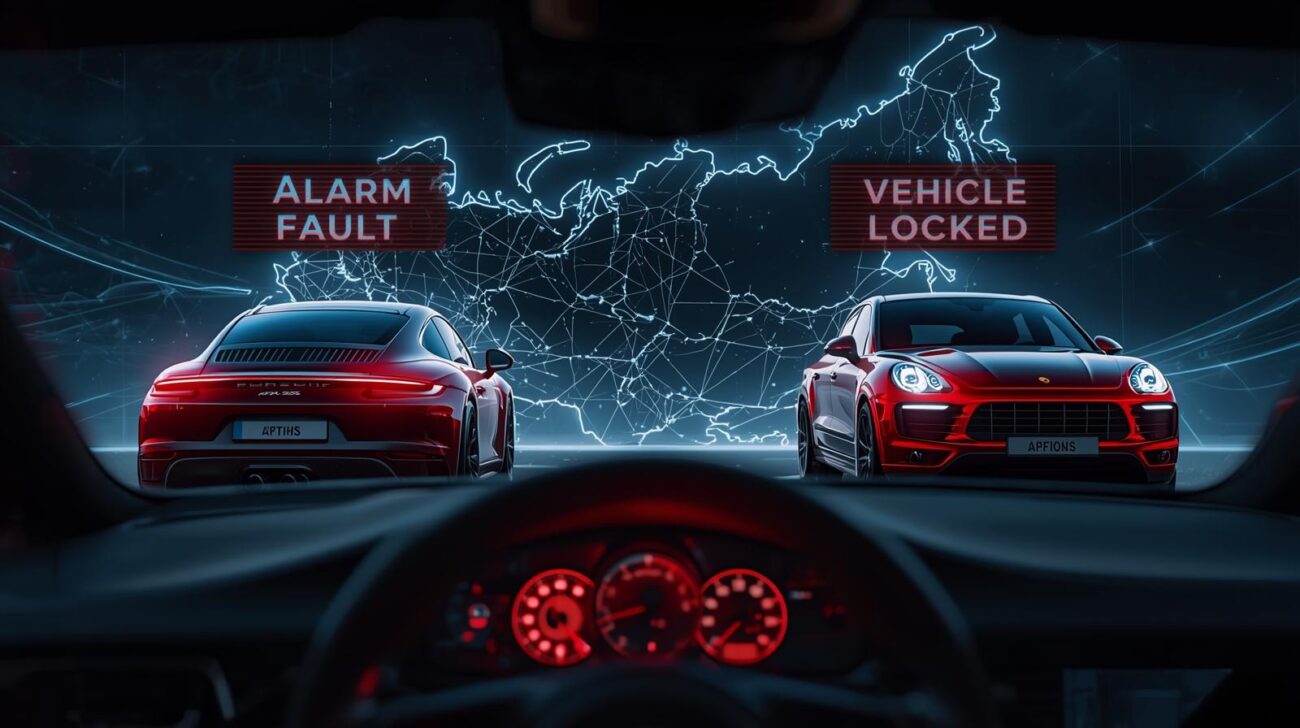
Owners of hundreds of Porsche vehicles across Russia are facing an unexpected crisis as their cars suddenly refuse to start, linked to a widespread malfunction in factory-installed satellite alarm systems. The disruption has affected internal combustion engine (ICE) models across multiple lines, including the 911 series, Cayenne, and Macan.
According to Russia’s largest Porsche service provider, the Rolf dealership network, complaints surged on November 28, with vehicles that had operated normally hours earlier suddenly unable to start. The issue has been traced to the alarm unit, which locks in a hard-fault state, preventing normal operation.
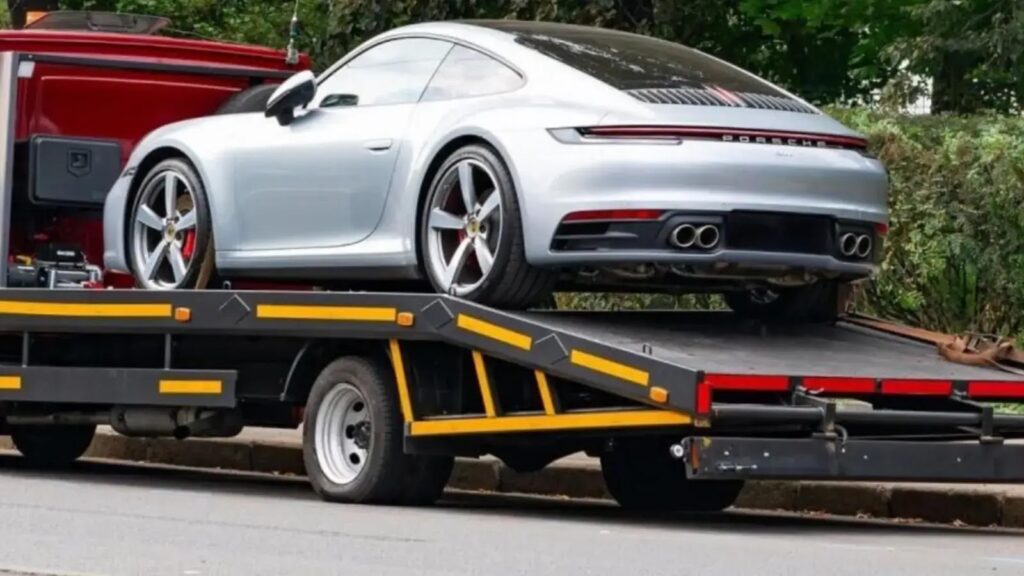
Service Director Yulia Trushkova warned that all ICE models using the current satellite security stack may be vulnerable, emphasizing that “any vehicle can be blocked” as investigations continue. Affected owners must tow their cars to authorized service centers, where technicians perform a manual reset by partially disassembling the alarm module—a temporary workaround rather than a permanent fix.
Telematics Systems Under Scrutiny
Porsche’s security architecture integrates the alarm system with Porsche Communication Management (PCM) and optional Connect services, relying on satellite connectivity, over-the-air (OTA) updates, and remote diagnostics. These convenience and safety features are now central to the investigation.
The uniformity of the failures, spanning multiple models and production years, suggests a centralized event rather than isolated hardware defects. Cybersecurity experts are investigating three main possibilities:
- Faulty firmware or configuration update propagated at scale
- Supply chain compromise affecting critical security modules
- Coordinated remote immobilization
Notably, electric and hybrid models remain unaffected, focusing suspicion on ICE-specific control units and associated telematics profiles.
Context and Potential Threat Scenarios
Industry analysts note parallels to prior automotive cybersecurity incidents, including remote hijacking of engine and braking systems, and OTA security lapses affecting connected fleets. Misconfigurations or exploited flaws can cascade across thousands of vehicles simultaneously.
The timing of the incident, amid geopolitical tensions and ongoing restrictions on Western automotive imports into Russia, has fueled speculation about a remote “kill switch” or backend control feature—either malfunctioning or intentionally triggered. Over 1,200 Porsche vehicles were imported into Russia in 2024, many via parallel channels, making them high-profile assets for any technologically mediated disruptions.
Currently, no official vulnerability identifiers (CVEs) have been assigned. Porsche security teams are modeling potential exposure scenarios and assessing impact, while dealerships report a surge in service tickets as stranded owners seek assistance.
Porsche Russia has declined detailed comment, directing inquiries to the global headquarters, which has yet to issue a public explanation. Meanwhile, dealerships reassure customers that manual resets restore daily drivability, though the problem may recur until a permanent software or hardware fix is released.
Key Takeaways
- Hundreds of ICE Porsche vehicles in Russia are immobilized due to satellite alarm malfunctions.
- Manual resets provide temporary fixes, but a long-term solution is pending.
- Cybersecurity concerns highlight risks of OTA updates and telematics system vulnerabilities.
- The incident underscores the growing importance of automotive cybersecurity in connected vehicles.
- Owners should remain vigilant and follow official guidance from authorized service centers.
