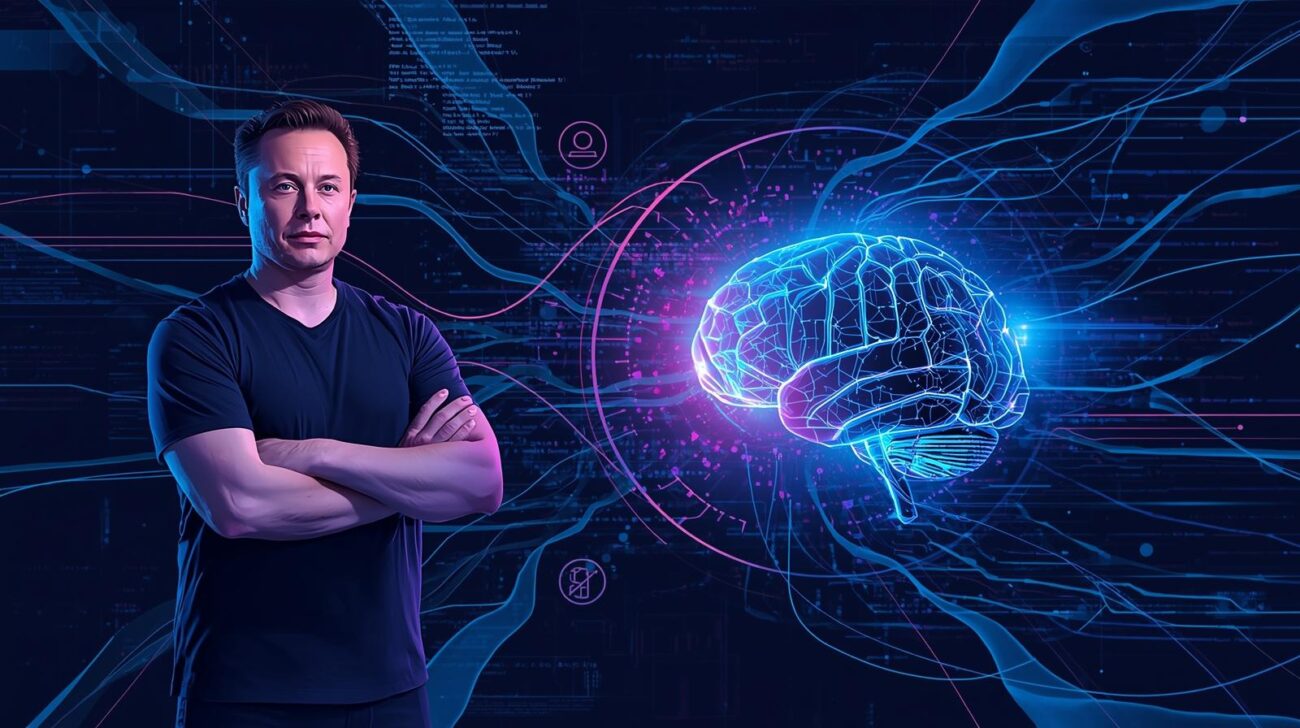
Elon Musk, CEO of Tesla and xAI, recently made headlines by accusing Anthropic of stealing vast amounts of data to train its AI models. According to Musk, this alleged data theft occurred on a massive scale, resulting in multi-billion-dollar settlements.
This dispute underscores growing tensions in the AI industry over how companies gather the enormous datasets required to train large language models (LLMs). With AI development accelerating, questions about ethics, legality, and intellectual property have never been more critical.
In this article, we explore Musk’s allegations, the broader implications for AI companies, and the future of data usage in AI training.
What Happened: Musk vs Anthropic
The conflict began when Musk responded on X (formerly Twitter) to a user sharing screenshots of Community Notes attached to Anthropic content. He asserted that Anthropic is “guilty of stealing training data”, claiming the company has paid billions in settlements.
Key Points:
- Allegations concern unauthorized scraping of text, images, and other online data.
- Musk’s statement sparked debates in the tech community about AI companies’ data ethics.
- Anthropic develops the Claude AI model and was founded by former OpenAI employees focused on AI safety.
While Musk’s claims regarding financial settlements are being scrutinized, they highlight ongoing concerns over copyright infringement and fair compensation in AI model training.
Why This Matters: Legal and Ethical Considerations
Training AI models like Claude or GPT requires access to enormous datasets. Much of this data is collected via web scraping, including content from:
- News articles
- Blogs and forums
- Social media posts
- Publicly available text and images
Ethical Concerns:
- Using copyrighted material without consent may violate intellectual property rights.
- Content creators may be excluded from compensation or attribution for their work.
- Transparency in data collection is limited, raising trust issues among users and stakeholders.
Legal Challenges:
- AI companies face lawsuits claiming unauthorized use of copyrighted material.
- Courts are evaluating the limits of fair use in AI training, which could redefine how companies handle data.
- Potential outcomes include financial penalties, licensing requirements, and operational changes for AI developers.
Industry Context: Competing for AI Dominance
The Musk-Anthropic dispute reflects wider tensions in the AI sector:
- Companies are racing to develop advanced AI systems under unclear legal and ethical rules.
- Data scraping is a core method for training LLMs, but its legality is under increasing scrutiny.
- Past lawsuits against AI firms indicate that content creators are asserting their rights, potentially affecting AI research and commercialization.
Potential Impacts on AI Development:
- If courts restrict scraping practices, AI model training may slow.
- Companies may need to license content directly from creators, altering the economics of AI.
- Ethical and legal compliance may become a competitive differentiator for AI startups and established tech firms.
Expert Insights
- Risk Analysis: Unauthorized data usage can lead to multi-billion-dollar settlements and reputational damage.
- Compliance: AI developers must navigate copyright laws, fair use, and licensing agreements to avoid legal exposure.
- Strategic Recommendation: Transparency in data sourcing, content attribution, and licensing is critical for long-term sustainability in AI.
FAQs
1. What is Anthropic accused of?
Elon Musk claims Anthropic stole massive amounts of data to train AI models without proper authorization.
2. What type of data is involved?
The alleged data includes text, images, and publicly available online content.
3. Are the financial claims verified?
Musk claims multi-billion-dollar settlements, but these figures are under scrutiny and not independently confirmed.
4. Why is this important for the AI industry?
The case highlights legal and ethical challenges around data scraping, copyright, and fair use, potentially affecting how AI models are trained in the future.
5. What could happen if courts rule against Anthropic?
AI companies may face financial penalties, stricter licensing requirements, and slower model development.
Conclusion
The Musk-Anthropic controversy underscores the complex intersection of AI, ethics, and intellectual property law. As the AI industry grows, companies must carefully balance rapid innovation with legal and ethical responsibilities regarding data usage.
Organizations and AI developers should monitor regulatory developments, establish transparent data collection practices, and consider licensing agreements to minimize legal risks while supporting sustainable AI growth.
