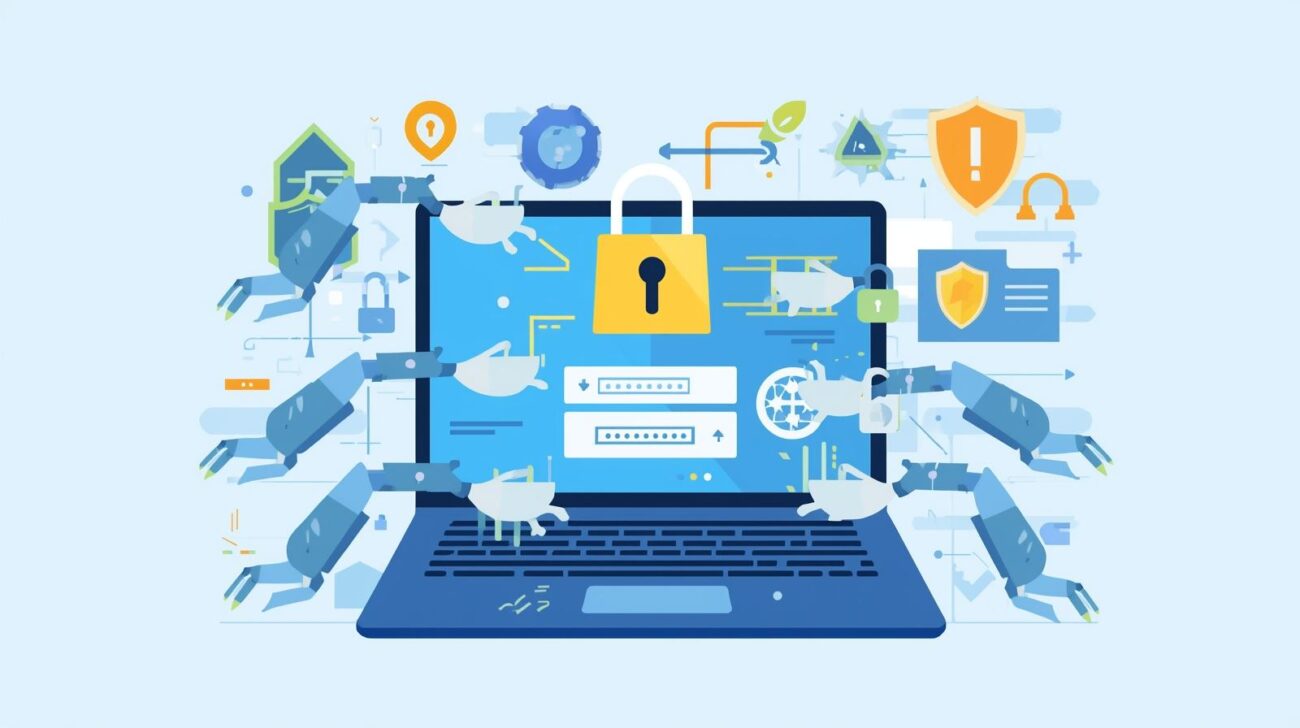
Cybersecurity can feel complicated, but understanding common threats helps you stay safe online. One of the most common attacks is called a brute-force attack. Even though it sounds technical, it’s easy to understand — and easier to defend against if you know the basics.
What is a Brute-Force Attack?
A brute-force attack is when a cybercriminal tries many passwords or codes until they find the right one. Think of it like a thief trying every key on a keyring until one opens your door.
This can happen on anything that requires a password: email accounts, social media, online banking, or even Wi-Fi networks.
How Brute-Force Attacks Work
Not all brute-force attacks are the same:
- Simple guessing: Trying the most common passwords like “123456” or “password.”
- Dictionary attacks: Using lists of real words or leaked passwords from other sites.
- Password spraying: Trying one common password across many accounts.
- Credential stuffing: Using usernames and passwords stolen from other websites, hoping people reuse them.
Even if an attacker can’t guess your password right away, automated tools make these attacks fast and persistent.
Why They’re Dangerous
Brute-force attacks are dangerous because:
- Many people use weak or repeated passwords.
- Some websites don’t block repeated login attempts.
- If a hacker succeeds, they can access sensitive personal information or financial accounts.
Simple Ways to Protect Yourself
You don’t need to be a cybersecurity expert to stay safe. Here are practical steps anyone can take:
1. Use Strong Passwords
- Make your password at least 12 characters long.
- Use a mix of letters, numbers, and symbols.
- Avoid easy-to-guess passwords like your birthday or pet’s name.
- Consider using a passphrase like “SunsetCoffee!7Tree” — long and memorable.
2. Enable Two-Factor Authentication (2FA)
Even if a hacker guesses your password, 2FA adds a second step like a text message or authentication app code, making it much harder to break in.
3. Don’t Reuse Passwords
Use different passwords for different accounts. If one account is breached, your other accounts remain safe.
4. Watch for Unusual Activity
Check your accounts for unexpected logins or password reset emails. This can alert you early if someone is trying to access your account.
5. Consider a Password Manager
A password manager generates and remembers strong, unique passwords for all your accounts, so you don’t have to memorize them.
Quick Takeaways
- A brute-force attack is basically a trial-and-error password guessing attack.
- It works best when passwords are weak, reused, or accounts lack extra protection.
- Strong passwords, 2FA, and good account monitoring are the simplest and most effective defenses.
Stay Safe Online
Brute-force attacks are common but preventable. By understanding how they work and taking a few simple steps, you can protect your accounts and personal information from hackers. Cybersecurity doesn’t have to be scary — it’s about being aware and proactive.
